Part 3: How a University-Held 'Foundational Patent' Generated Fortunes — Two Legendary Patents That Succeeded for Opposite Reasons [Paid]
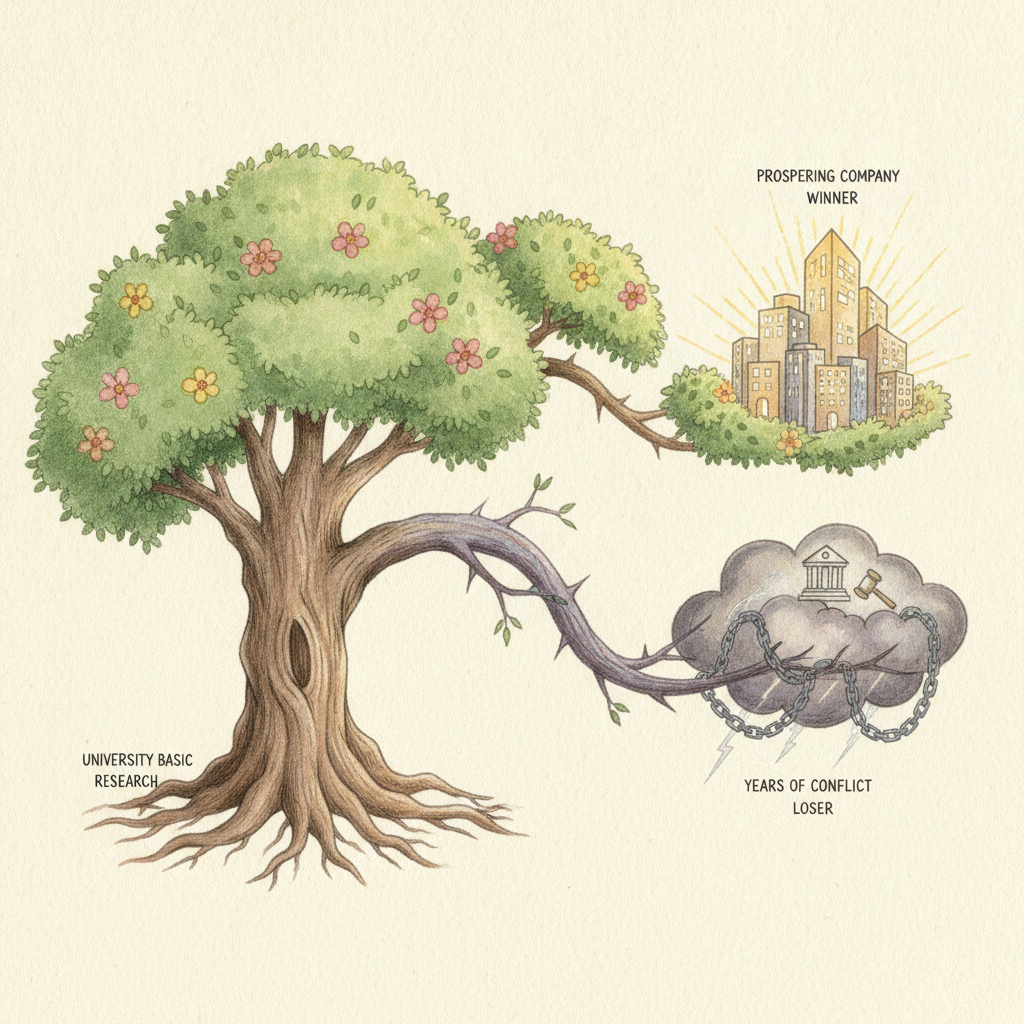
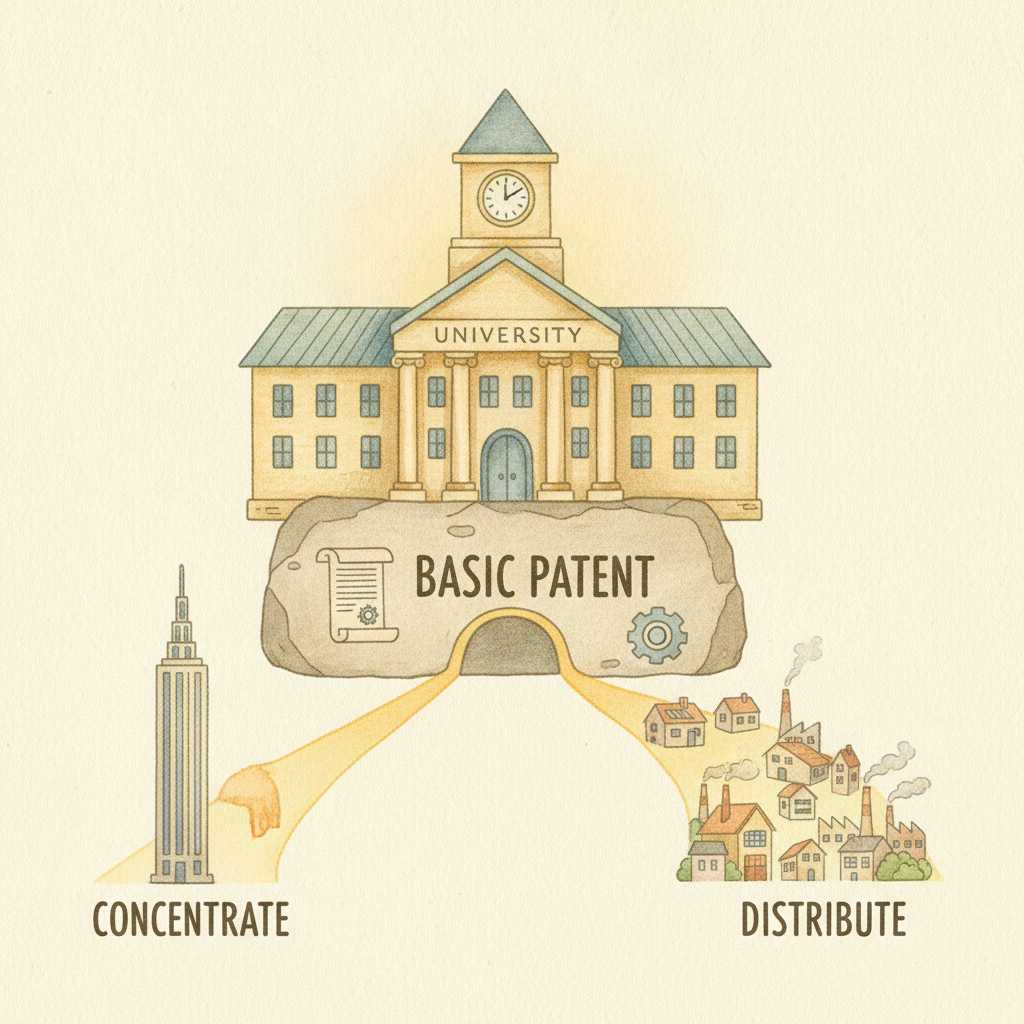
"Let the university own the foundational patent outright." It sounds like a dry administrative choice. Yet that single decision has, more than once, reshaped the entire landscape of pharma and biotech — minting fortunes and influence in the process.
One example earned a 2023 Nobel Prize and delivered billions of dollars in royalties to a university through COVID vaccines. The other, filed back in the 1970s, is widely credited with launching the biotech industry from scratch. Both were wildly successful foundational patents — yet their licensing philosophies were polar opposites, and one is right now exploding into a high-stakes lawsuit.
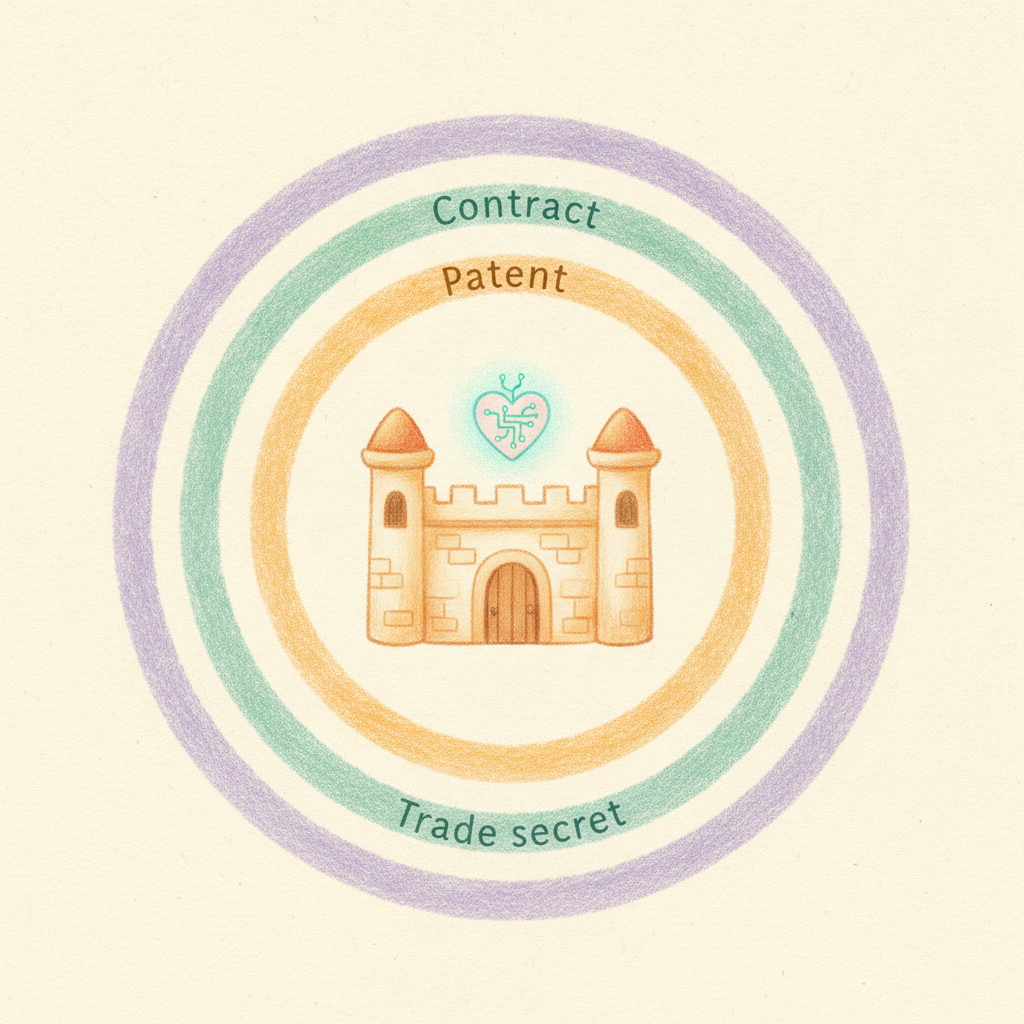
The deeper question comes next: is handing the inventing scientist equity (stock options) and letting them run their own company really the "right answer"? We hold Stanford's half-century-old playbook up against the institutional and conflict-of-interest hurdles universities still face — with the dollar figures, contract structures, and practical takeaways laid bare.
Read the full article
This is a premium article. A membership ($10/mo) unlocks every article (plus the full-series PDF once a series is complete), or buy just this one for $2 (48 hours), or the whole series for $7 (60 days; the full-series PDF is downloadable once all parts are published).
Please log in or sign up to subscribe or buy.
Log in / Sign up →